
Autoclave · UNE-EN 335
The location decides the treatment
Use classes assess the risk of attack by fungi and wood-boring insects according to where the wood is installed. They are defined by standard UNE-EN 335:2013. We apply autoclave treatment in use class 3 (3.1 and 3.2, clear) and in use class 4 (copper salts).

Use class 1
Under cover, protected from the weather and not exposed to moisture. For example: parquet floors, interior doors.

Use class 2
Under cover and protected from the weather, with occasionally high ambient humidity. For example: roofs, the structure of an indoor swimming pool.

Use class 3
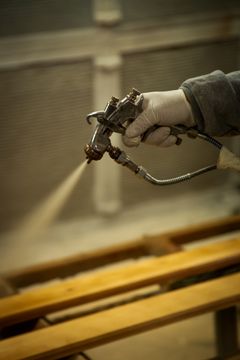
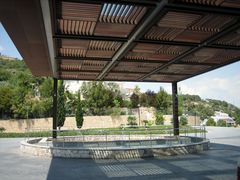
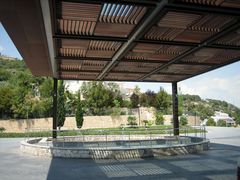
In the open, not in contact with the ground and frequently wetted. For example: exterior joinery, pergolas. 3.1 · Limited exposure to rain and good drainage. 3.2 · Direct and prolonged exposure to rain or moisture. At Tractia: clear treatment.

Use class 4
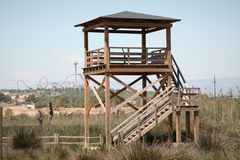
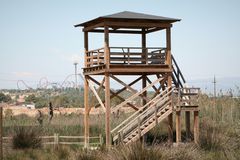
Exposed to the weather, in contact with the ground or with fresh water, with a high degree of moisture. For example: posts, fences, bridges. At Tractia: copper salts.
Use class 5
In permanent contact with salt water. For example: jetties.
Use class 4
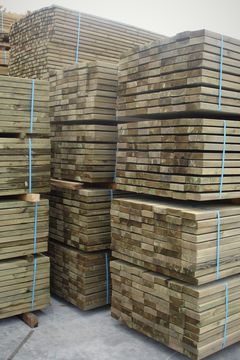
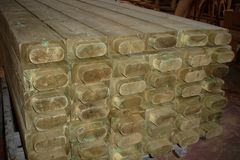
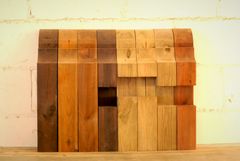
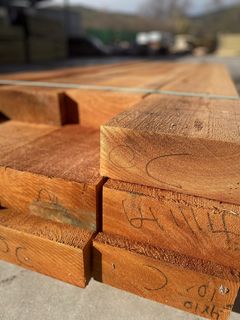
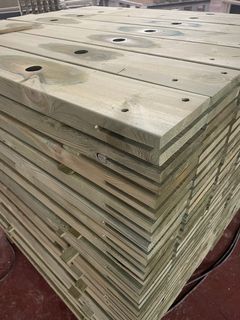
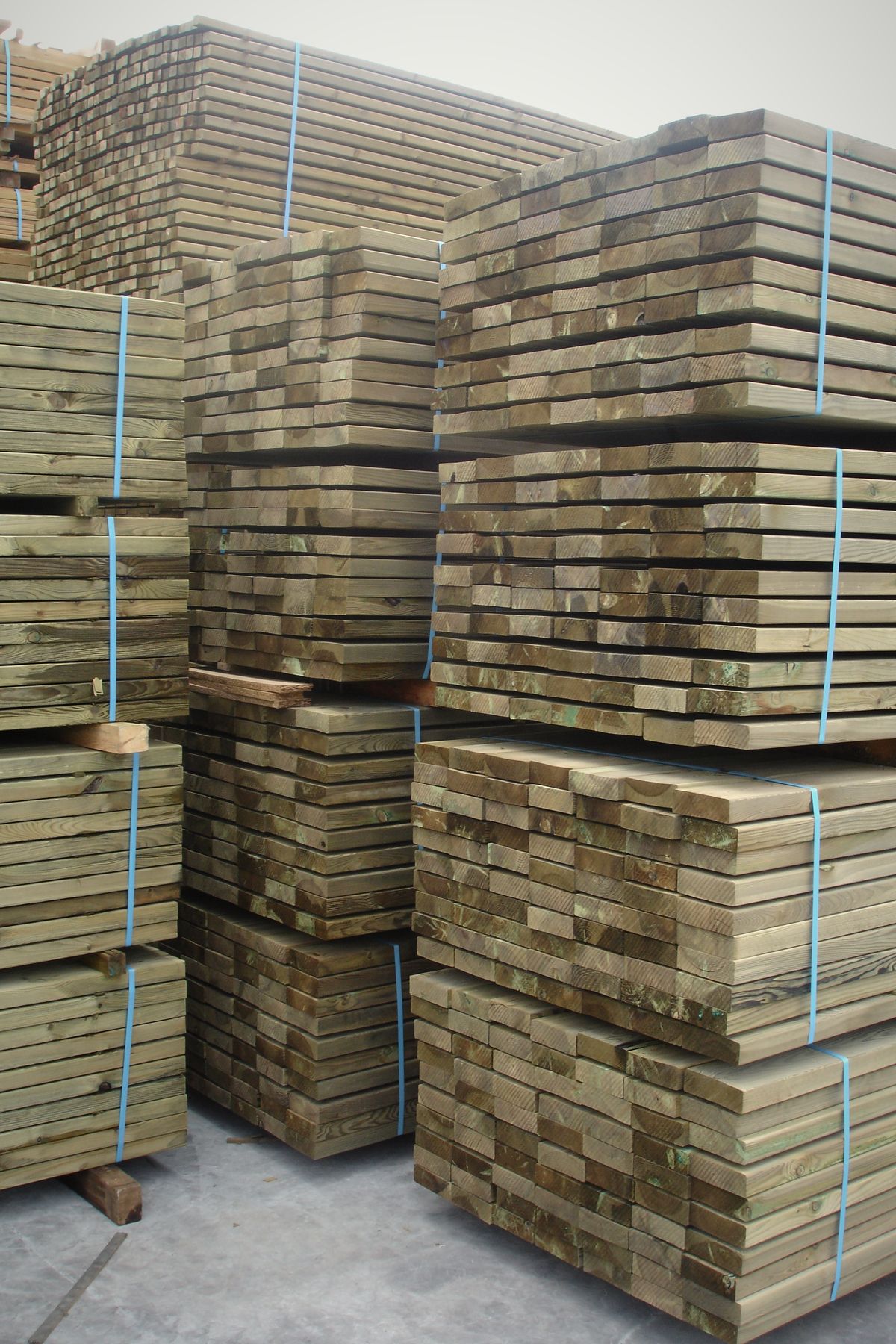
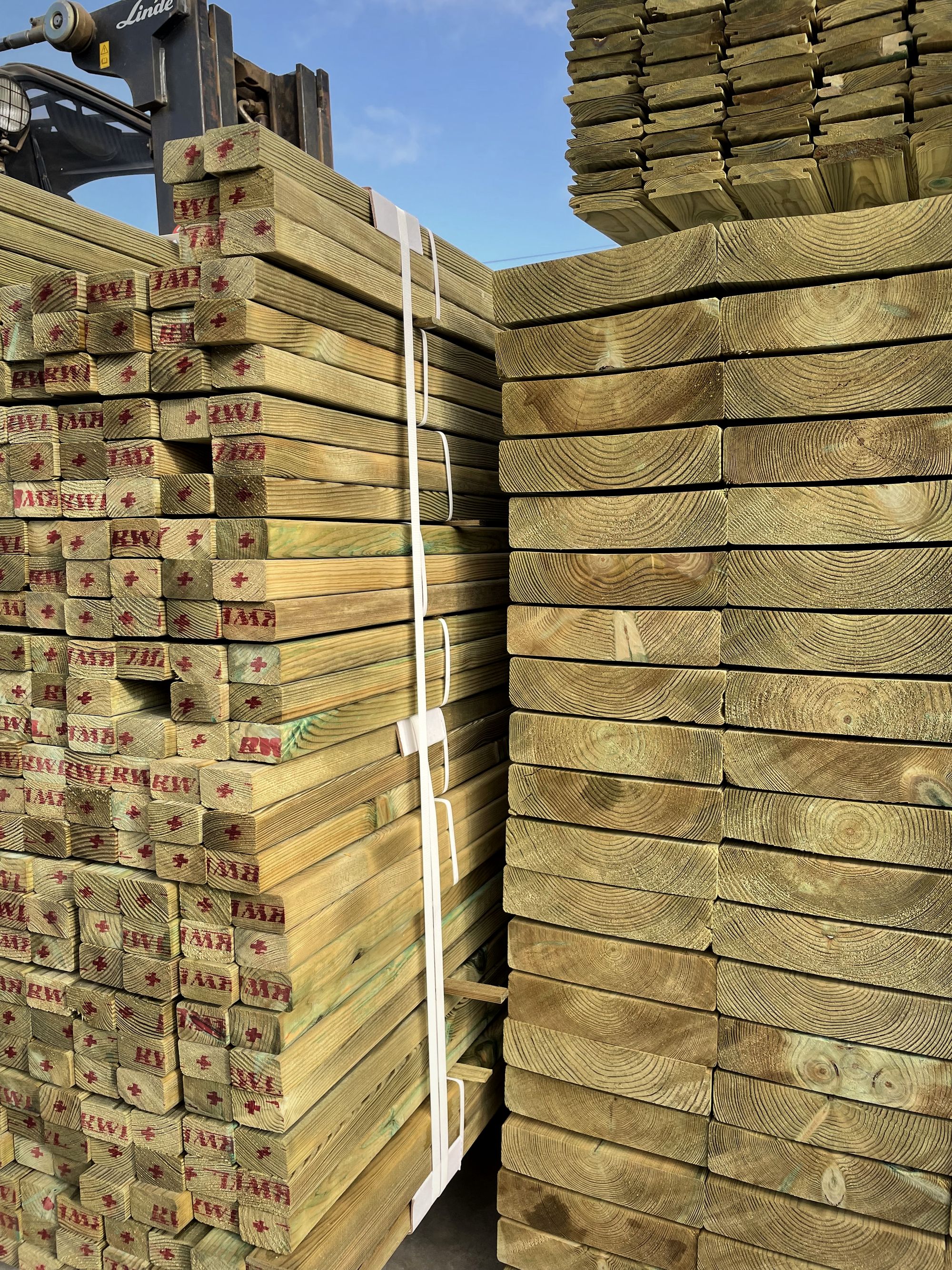
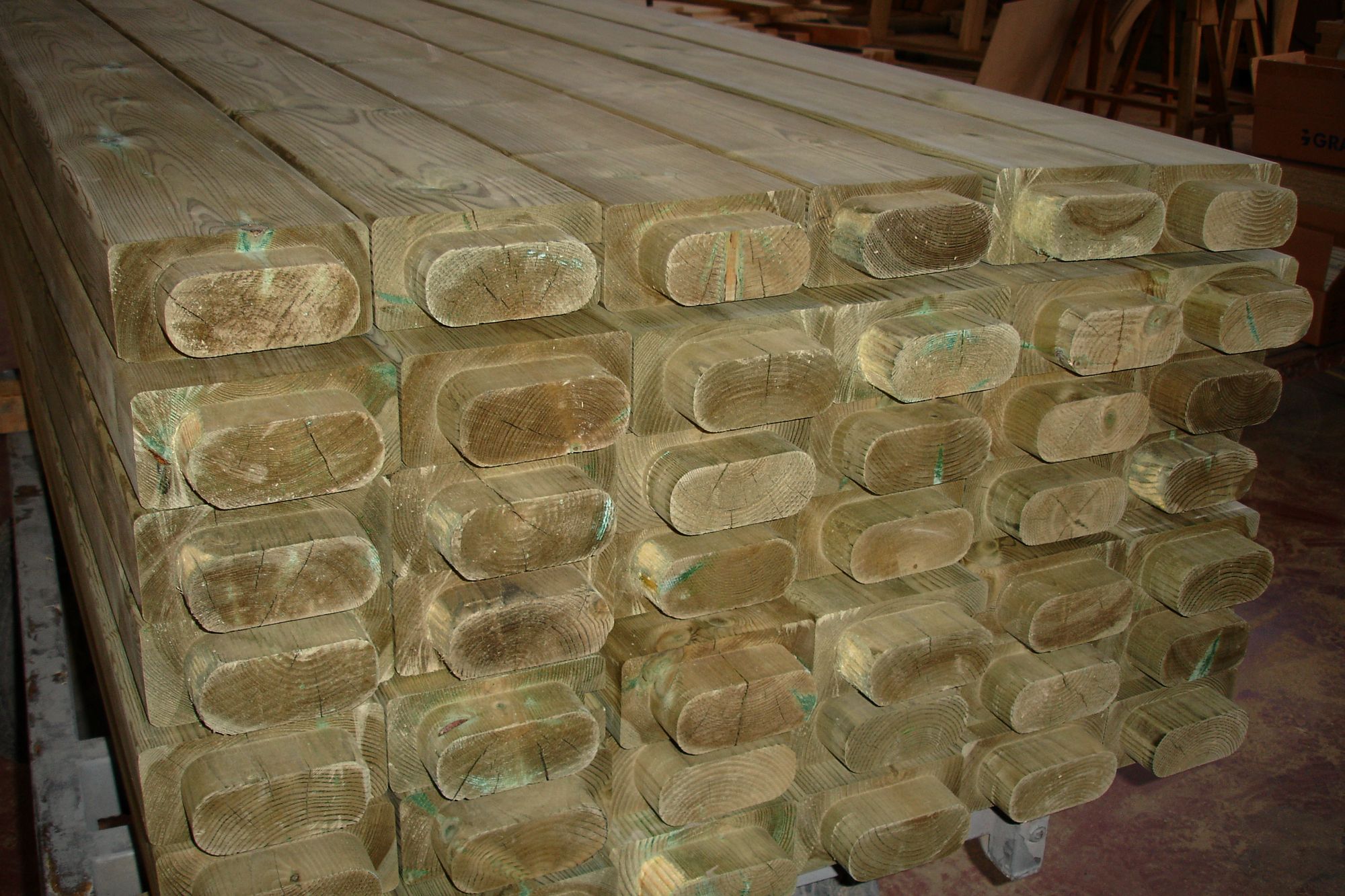
For wood in direct contact with the ground or with fresh water, or with permanent or frequent moisture. The copper salts give it an initial greenish tone that weathering softens over time, with no loss of protection or structural properties.
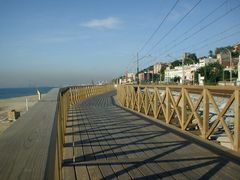
Ideal for: exterior structural elements, posts, decking, walkways, bridges and fencing. For wood that will be exposed to the weather without touching the ground or fresh water. Autoclave-treated in use class 3, it keeps its natural colour, without the greenish tone of copper salts.
Bethell process
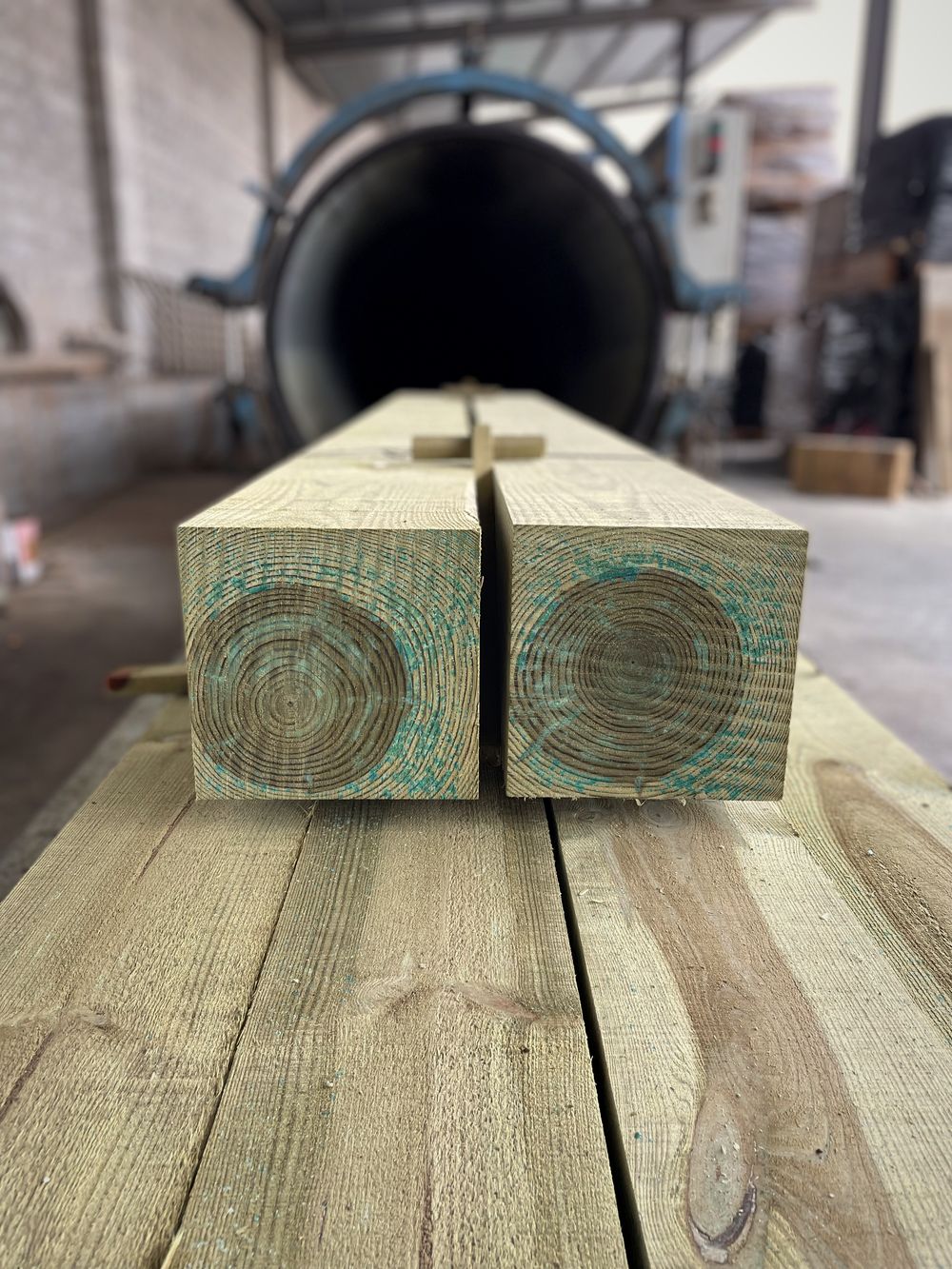
The Bethell process impregnates the wood in a vacuum–pressure–vacuum cycle. The preservative used is water-soluble copper salts, free of arsenic and chromium, listed in the Official Register of Biocides of the Ministry of Health.
The wood leaves the plant once the product has fixed. Copper salt treatment is suitable for softwood and, in particular, for Pinus sylvestris. Some softwoods, such as fir, do not accept this treatment in depth because of their cell structure.
Initial vacuum
As much as possible of the air contained in the wood cells is extracted.
Pressure
After the autoclave is filled with the preservative, pressure drives the copper salts into the cells that have been emptied of air.
Final vacuum
Removes the unfixed product from the faces of the piece.
Technical data
- Standard
- UNE-EN 335:2013
- Use class 3 (3.1 and 3.2)
- Clear
- Use class 4
- Copper salts
- Process
- Bethell · vacuum–pressure–vacuum
- Preservative
- Water-soluble copper salts, free of arsenic and chromium
- Register
- Official Register of Biocides of the Ministry of Health
- Suitable wood
- Softwoods; in particular, Pinus sylvestris
- Documentation
- Treatment certificate per batch, on request
First we machine, then we treat
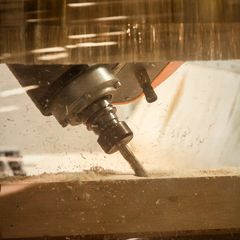
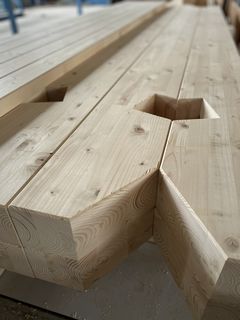
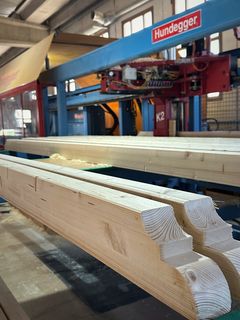
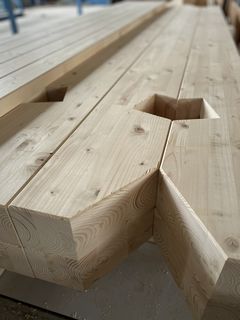
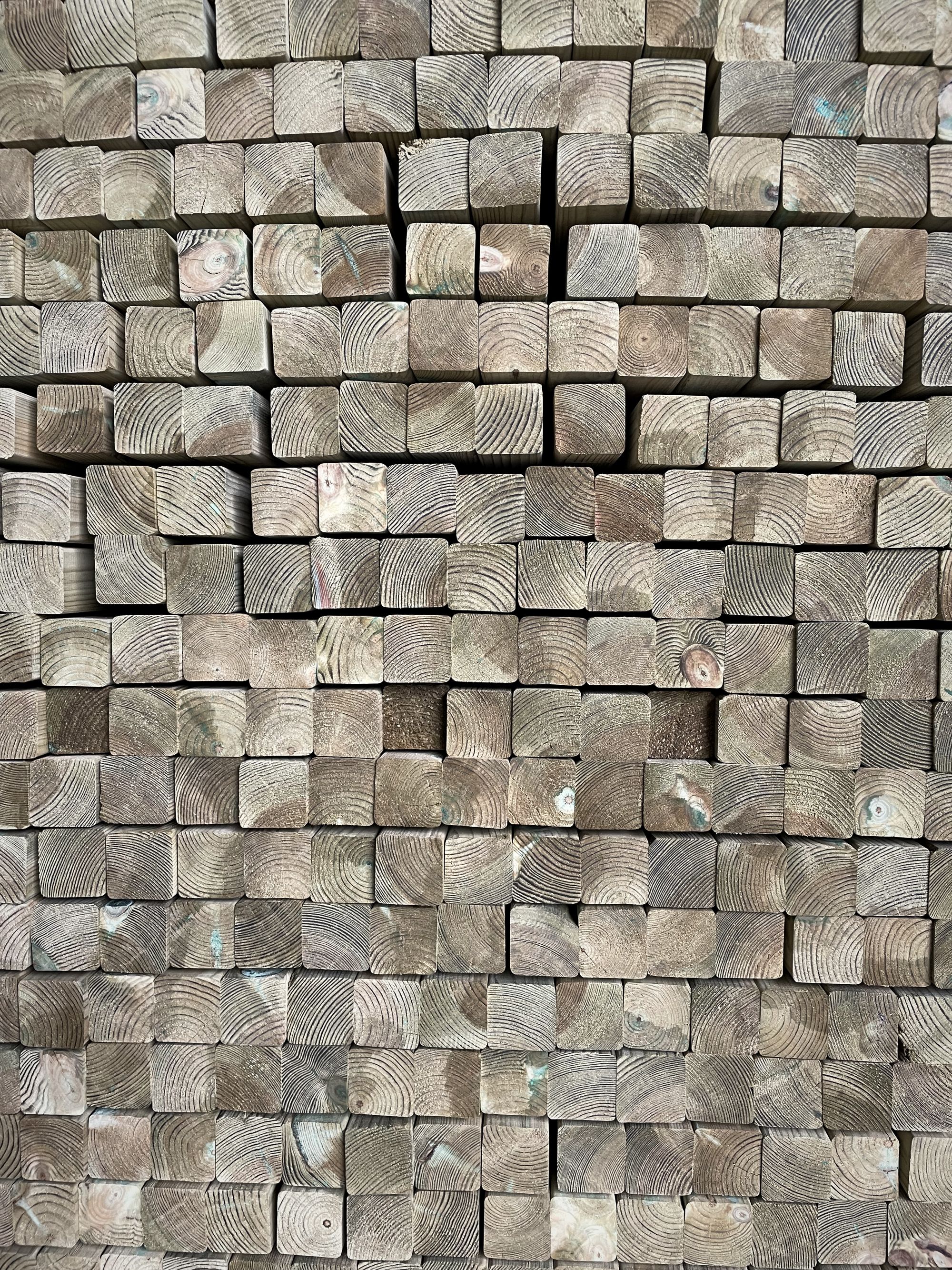
Machining carried out after treatment can impair it and leave points of attack in the wood. That is why we cut and machine before treating: this way we ensure that the product penetrates the entire surface of the wood evenly.
Wood is a natural material: the treatment does not alter its own characteristics, such as cracks or knots, nor its natural ageing, which tends towards grey. Later machining can impair the treatment: in use class 3.1, apply preservative to the cut; in use classes 3.2 and 4, avoid machining the treated piece.
Enquiry
Tell us about your project
Send us the drawing or cutting list and we will prepare a proposal. With the measurements, quantities and the location where the wood will go, the answer is more precise.
Av. de Reus, s/n · 43460 Alcover (Tarragona)
Monday to Thursday: 8.00 – 18.00Friday: 7.00 – 15.00